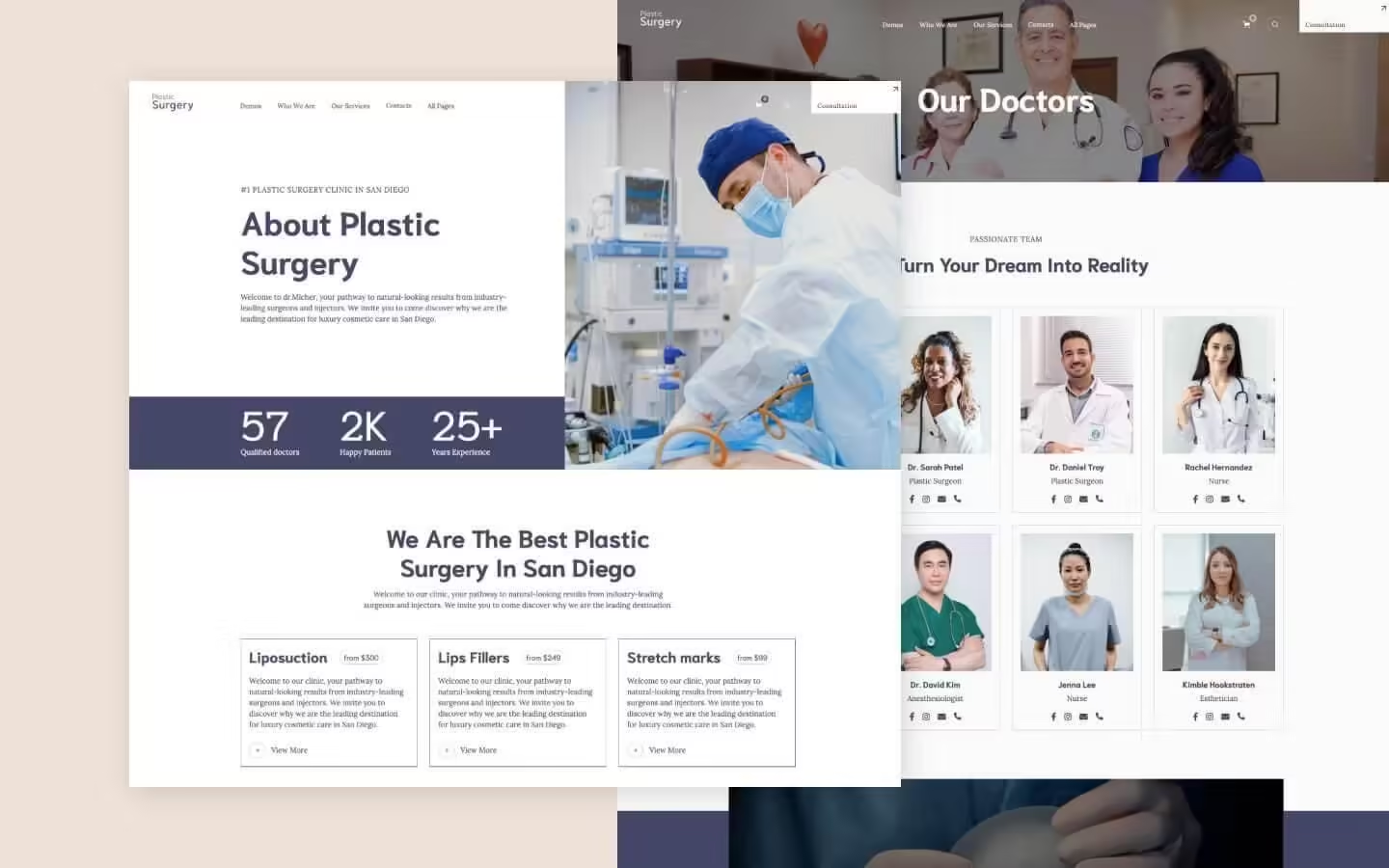
Plastic surgeons must maximize their internet presence in the digital terrain of today. Having a strong Google ranking can help your practice be much more visible given the many possible patients looking for services online. We will explore SEO services specifically for plastic surgeons in this article, stressing the importance of digital marketing firms like Netwexus, which focus in web building tools and search engine optimization (SEO).
Seeing the Value of SEO for Plastic Surgeons
For plastic surgeons, SEO is not only a luxury; it’s a need in the cutthroat healthcare scene. Many people start their search for cosmetic treatments online, so if your business isn’t simply found, you probably are losing possible customers. By helping your clinic show more on search engines, SEO services boost website traffic and, eventually, scheduled consultations and procedures. Plastic surgeons may draw the correct patients, develop a reputable web presence, and become thought leaders in their field by making investments in successful SEO techniques.
How Could Digital Marketing Agencies Improve Your SEO Plan?
Like Netwexus, digital marketing companies provide specialist services meant to improve plastic surgeons’ internet profile. These companies possess the knowledge to create customized SEO plans fit for the particular requirements of doctors. A digital marketing agency can guarantee that your clinic shows at the top of search results when possible patients seek for cosmetic surgery options by doing extensive keyword research, content optimization on your website, and local SEO techniques application. Their awareness of patient behavior and industry trends helps them to create a marketing strategy that appeals to your target market, therefore justifying the expenditure.
Important SEO Providers from Netwexus
Our SEO services at Netwexus cover a wide spectrum of strategies meant to raise your web profile. We start with an extensive website assessment to find areas needing work. All important elements in SEO rankings, our web development services are designed to improve website usability, speed, and mobile friendliness. We also produce material suited for keywords connected to plastic surgery that is both educational. From blog entries to surgical explanations, our method guarantees that your material appeals to search engine algorithms and answers patient questions.
The Function of Keyword Research Within Your SEO Approach
Effective SEO services center on keyword research. You can customize your website material to fit the particular terms and phrases possible users of plastic surgery services use when looking for services. At Netwexus, we concentrate on both long- and short-tail keywords to appeal to a broad readership. For example, long-tail variations like “cheap rhinoplasty in [your location] might generate more targeted traffic even if phrases like “plastic surgery” are somewhat competitive. Our staff makes sure your practice ranks for the most useful keywords by using sophisticated methods to examine search traffic, competitiveness, and relevancy.
Improving the Visibility of Your Website: On-Page SEO
Making sure search engines find the material of your website relevant and appealing depends on on-page SEO. This entails maximizing many components of your website, including header tags, meta descriptions, title tags, and picture alt texts. At Netwexus, we stress the value of original, keyword-rich material that both meets search engine criteria and captivates users. Furthermore, we make sure that the internal linking structure of your website guarantees simple navigation, therefore enabling search engines and users to rapidly access content. By concentrating on these factors, we enable plastic surgeons to improve their search engine results page ranks.
Local SEO’s effects on patient acquisition
Local SEO is absolutely important for plastic surgeons in drawing in surrounding patients. Many people look for conveniently situated businesses, hence local search optimization is a must for any marketing plan. Netwexus uses local SEO techniques include improving your Google My Business profile, creating local citations, and pushing patient feedback. If you keep a constant web presence and concentrate on local keywords, your clinic may start to be the first choice for potential customers in your neighborhood. Furthermore, being up in local search results builds confidence among possible patients in addition to visibility.
Creating Links of Building Quality to increase Your Authority
Since they tell search engines your website is a reliable source of information, backlinks are absolutely important for SEO. We at Netwexus use several techniques to create quality backlinks to your plastic surgery website. This includes working with industry-related websites to acquire guest posts or mentions and producing shareable materials that value consumers. Your practice can boost search results, strengthen its authority, and generate more traffic to your website by developing a strong backlink profile, so generating higher patient inquiries.
Evaluating Your SEO Campaign’s Effect
Measuring performance with particular criteria can help you to grasp the success of your SEO activities. This covers keyword ranks, bounce and conversion rates, and website traffic. Using sophisticated analytics tools, Netwexus tracks these KPIs and generates thorough reports for you. Frequent monitoring of these indicators helps us to modify our plans depending on performance, therefore assuring that our SEO services always complement the objectives of your company. Understanding what works can help us to direct more qualified traffic to your website and raise general patient involvement.
Selecting a Digital Marketing Agency Fit for Your Business
The success of your SEO initiatives depends critically on choosing the correct digital marketing agency. Look for a company with background in the healthcare industry, especially in cosmetic surgery since this specialization offers insightful analysis of efficient marketing strategies. Our thorough awareness of plastic surgery marketing and our dedication to provide individualized site building tools and SEO techniques set Netwexus apart. Working with us will help you to be sure your practice will get the knowledge and care required to flourish in the digital sphere.
Future SEO Trends to Watch: Plastic Surgeons
The changes in SEO follow the changes in the digital terrain. Rising trends in voice search, AI-driven content, and video marketing affect how prospective patients come across information on plastic surgery. Staying ahead of these changes, Netwexus modifies our SEO offerings to include the newest ideas and technologies. Accepting these ideas can help your practice stay competitive and draw fresh patients in a market always evolving. Making today’s SEO investments will guarantee your readiness for digital marketing going forward.
Your practice can get notable internet success by using efficient SEO services catered especially for plastic surgeons. Work with Netwexus to leverage our knowledge in digital marketing, web development tools, and SEO techniques created for the healthcare industry. Let’s enable you to connect with more possible patients and rank higher on Google!