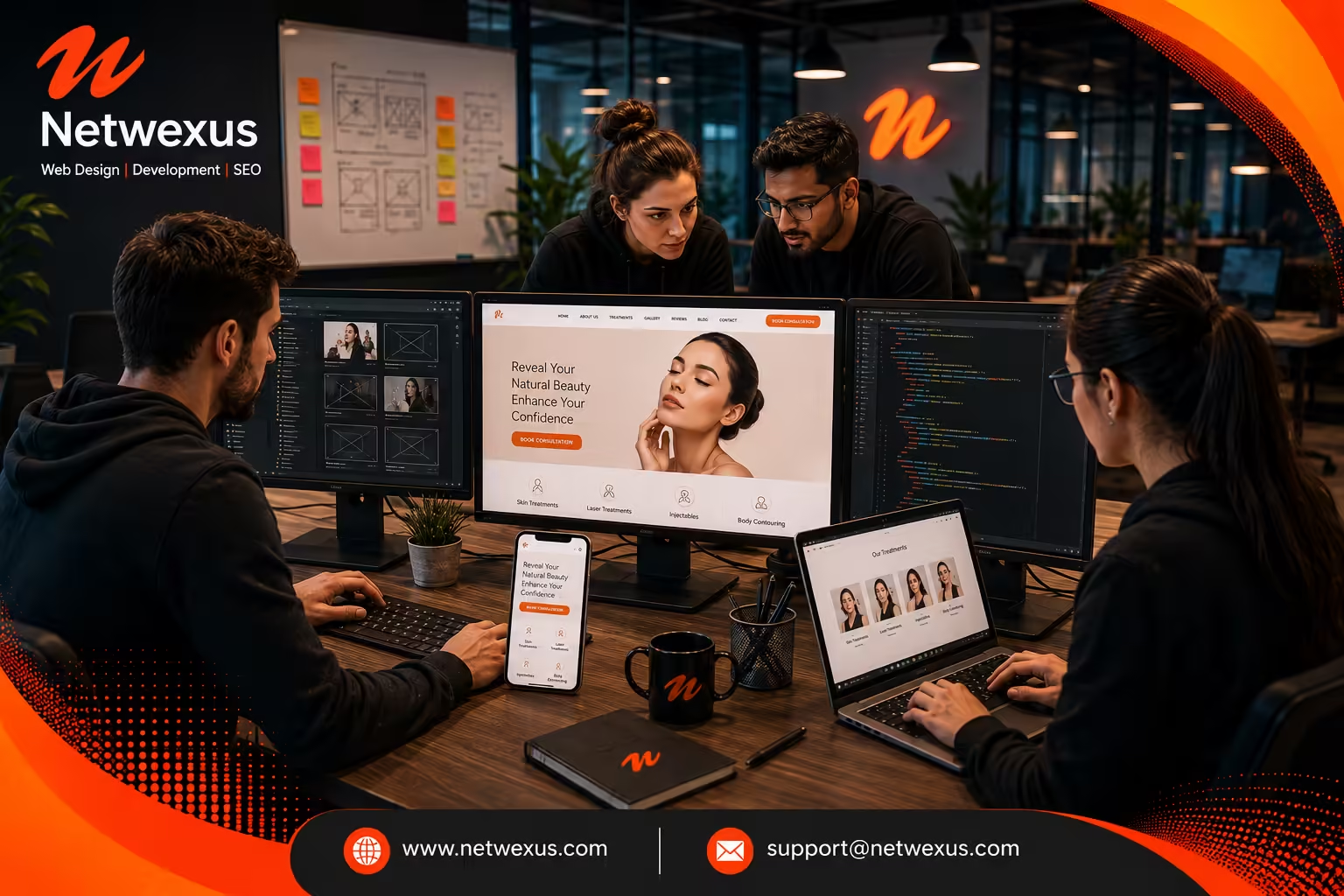
Your clinic delivers exceptional results. Your practitioners are qualified, your treatment rooms are immaculate, and your patients leave happy. But if your website looks like it was built in 2015 — or worse, if potential patients can’t find you online at all — none of that matters to the hundreds of people searching for treatments in your area right now.
Here’s the reality most aesthetic clinic owners face: prospective patients research extensively before booking. They compare clinics, scrutinize before-and-after photos, read reviews, and judge your professionalism within seconds of landing on your homepage. In an industry built on trust, appearance, and results, your website is often the first — and sometimes only — impression you get to make.
That’s why investing in professional website design services for aesthetic clinics isn’t a luxury or an afterthought. It’s one of the most direct ways to attract more qualified visitors, convert them into consultation requests, and grow a sustainable patient base. In this guide, we’ll walk through exactly what a high-performing aesthetic clinic website looks like, the features it needs, how design connects to SEO and bookings, and how to choose the right partner to build it.
Why Aesthetic Clinics Need Professional Website Design
Aesthetic medicine sits at a unique intersection: it’s part healthcare, part beauty, and part lifestyle purchase. Patients aren’t just choosing a provider — they’re choosing someone they’ll trust with their face, skin, or body. Your website has to work harder than a typical business site because it must communicate clinical credibility and aesthetic sensibility at the same time.
Build Trust With a Modern Clinic Website
A dated, cluttered, or slow website sends an unintended message: “we don’t pay attention to detail.” For a clinic whose entire value proposition is precision and care, that’s a costly signal.
Modern aesthetic clinic website design does the opposite. Clean layouts, professional photography, consistent branding, and clear information architecture tell visitors that your clinic is organized, current, and trustworthy — before they’ve read a single word about your treatments.
Consider two clinics offering identical laser treatments at identical prices. One has a polished website with real clinic photos, practitioner bios, and transparent treatment information. The other has stock images, walls of unformatted text, and a contact page with only a phone number. Most patients will choose the first clinic without ever realizing the deciding factor was web design.
Make Your Treatments Easy to Discover
Many clinics offer 15, 20, or more treatments — injectables, laser therapies, skin resurfacing, body contouring, and more. If those treatments are buried in a single “Services” page or hidden behind confusing navigation, patients searching for a specific procedure will never find them.
Professional aesthetic clinic web design structures your treatment menu logically:
- Category pages that group related treatments (e.g., “Injectables,” “Laser Treatments,” “Skin Rejuvenation”)
- Individual treatment pages for each service, each optimized for search
- Clear internal linking so visitors can move naturally from a concern (e.g., “fine lines”) to relevant treatment options
This structure benefits both humans and search engines — patients find what they need faster, and Google understands exactly what your clinic offers.
Turn Website Visitors Into New Patients
Traffic alone doesn’t pay the bills. A website can attract thousands of visitors and still generate almost no bookings if it isn’t designed to convert.
Conversion-focused website design means every page has a purpose and a next step. Treatment pages end with consultation prompts. Contact options are visible without scrolling. Booking takes two clicks, not seven. The design gently guides visitors from curiosity to commitment — which is exactly what separates a digital brochure from a patient-generating asset.
What Makes a Great Aesthetic Clinic Website?
Not all clinic websites are created equal. The best ones share a handful of foundational qualities that apply whether you run a single-room skin clinic or a multi-location medical aesthetic group.
Clean and Professional Visual Design
Aesthetic clinics sell transformation and refinement, so the website itself must feel refined. That typically means:
- Generous white space that lets content breathe
- A restrained, elegant color palette aligned with your brand
- High-quality photography of your actual clinic, team, and (with consent) results
- Consistent typography that’s easy to read on any device
Avoid the temptation to cram every offer, badge, and pop-up onto the homepage. In aesthetic website design, restraint reads as confidence.
Mobile-Friendly and Responsive Layout
The majority of searches for aesthetic treatments happen on smartphones — often in spare moments during a commute or lunch break. A responsive clinic website automatically adapts its layout to any screen size, so a patient browsing on their phone gets the same clarity and ease as someone on a desktop.
If your current site requires pinching, zooming, or horizontal scrolling on mobile, you’re losing patients daily. Google also uses mobile-first indexing, meaning the mobile version of your site is what primarily determines your search rankings.
Simple and Intuitive Website Navigation
Visitors should never have to think about how to find something. A well-designed navigation menu for an aesthetic clinic usually includes:
- Treatments (with dropdown categories)
- About / Meet the Team
- Results or Gallery
- Pricing or Offers (where appropriate)
- Blog or Advice
- Contact / Book Now
Keep top-level items to six or fewer. Every additional menu option adds cognitive load and dilutes attention from the paths that matter most.
Clear Calls to Action for Consultations
Every page should answer the visitor’s silent question: “What should I do next?” Strong calls to action (CTAs) for aesthetic clinics include “Book a Consultation,” “Request a Callback,” or “Check Availability.” Effective CTAs are:
- Visible — placed above the fold and repeated at natural decision points
- Specific — “Book Your Skin Consultation” outperforms a generic “Submit”
- Low-pressure — many patients prefer a consultation over an immediate treatment commitment, so frame the next step as easy and obligation-free
Essential Features of an Aesthetic Clinic Website
Beyond good looks, a clinic website needs functional components that do real work: capturing bookings, answering questions, and building confidence.
Online Appointment and Consultation Booking
Online appointment booking is arguably the single highest-impact feature you can add. Many patients research treatments in the evening, after your reception desk has closed. If they can book a consultation at 10 pm on a Tuesday, you capture that intent immediately. If they have to wait until morning to call, a competitor with online booking may capture it first.
Look for booking systems that:
- Integrate with your practice management software or calendar
- Send automated confirmations and reminders (reducing no-shows)
- Allow patients to choose practitioner, treatment, and time
- Work smoothly on mobile
Treatment and Service Pages
Each core treatment deserves its own dedicated page. A strong treatment page explains what the procedure is, who it suits, what to expect during and after, and how to take the next step. These pages are also your primary SEO assets — when someone searches for a specific treatment in your area, a well-optimized treatment page is what brings them to you rather than a competitor.
Before-and-After Treatment Galleries
Results sell aesthetic treatments more persuasively than any copywriting. A well-organized gallery — filterable by treatment type, using consistent lighting and angles, and always with documented patient consent — gives prospective patients tangible proof of your work.
Two important notes: only use genuine, unedited results from your own clinic, and check the advertising and medical marketing regulations in your region, as rules around before-and-after imagery vary by country and treatment type.
Patient Reviews and Testimonials
Social proof reduces the perceived risk of choosing your clinic. Feature genuine reviews prominently — on the homepage, on relevant treatment pages, and on a dedicated reviews page. Integrating live Google review feeds adds credibility because visitors can verify the reviews are real. Video testimonials, where patients are willing, are even more powerful.
Contact Forms and Clinic Location Information
Make it effortless to reach you. Every aesthetic clinic website should include:
- A short contact form (name, contact details, treatment of interest — nothing more)
- Click-to-call phone numbers on mobile
- An embedded map with your exact location
- Opening hours, parking information, and directions
- WhatsApp or live chat, if your team can respond promptly
SEO-Friendly Website Design for Aesthetic Clinics
Beautiful design means little if nobody finds your site. The best website design services for aesthetic clinics build search engine optimization into the site’s foundations rather than bolting it on later.
Optimize Treatment Pages for Search Engines
Every treatment page should target the terms patients actually search. That involves:
- A descriptive, keyword-informed page title and meta description
- One clear H1 and a logical heading structure
- Helpful, original content that answers patient questions in plain language
- Descriptive image alt text and clean URLs (e.g., /treatments/laser-hair-removal)
Avoid thin, duplicated pages. A single thorough page about a treatment will outperform five shallow variations of it.
Use Local SEO to Reach Nearby Patients
Aesthetic clinics serve local patients, which makes local SEO for aesthetic clinics essential. Key steps include:
- Claiming and fully completing your Google Business Profile
- Keeping your name, address, and phone number consistent across the web
- Embedding location signals naturally into your site (service areas, directions, local landmarks)
- Earning reviews consistently and responding to them professionally
- Creating location pages if you operate multiple clinics
When someone nearby searches for a treatment you offer, these signals determine whether your clinic appears in the local map results — some of the most valuable screen real estate in search.
Create Helpful Content Around Aesthetic Treatments
A blog or advice section lets you capture patients earlier in their decision journey — when they’re searching questions like “how long does treatment recovery take” or “what’s the difference between two similar procedures.” Helpful, honest educational content builds authority with search engines and trust with readers, and naturally funnels interested visitors toward your treatment pages.
Keep content factual and educational. Never make medical claims you can’t support, and always encourage readers to seek a professional consultation for personalized advice.
Improve Website Speed and Core Web Vitals
Site speed affects both rankings and patience. Aesthetic clinic websites are image-heavy by nature, which makes performance optimization critical:
- Compress and properly size all images
- Use modern image formats and lazy loading
- Choose quality hosting rather than the cheapest option
- Minimize heavy plugins, scripts, and animation effects
A site that loads in under three seconds keeps visitors engaged; one that takes eight seconds loses many of them before the page even appears.
Mobile Website Design for Aesthetic Clinics
Because so much aesthetic treatment research happens on phones, mobile experience deserves its own focus — not as an afterthought, but as the primary design consideration.
Create a Seamless Mobile Patient Experience
On mobile, everything should be reachable with a thumb. That means readable text without zooming, tap targets that are large enough to press accurately, sticky “Book Now” buttons that stay accessible while scrolling, and menus that collapse neatly without hiding important pages.
Make Appointment Booking Easy on Smartphones
A booking process that feels fine on desktop can be maddening on mobile. Test yours honestly: how many taps from homepage to confirmed consultation request? Can forms be completed with autofill? Does the date picker actually work on a small screen? Each point of friction costs bookings, so mobile booking flows should be as short and forgiving as possible.
Optimize Images for Faster Mobile Loading
Mobile users are often on slower connections, and gallery-heavy clinic sites can crawl without optimization. Serve appropriately sized images for mobile screens, compress aggressively without visible quality loss, and load gallery images progressively as users scroll rather than all at once.
How Professional Web Design Builds Patient Trust
Trust is the currency of aesthetic medicine. Patients are making decisions about their appearance, their health, and often significant sums of money. Thoughtful design systematically removes doubt at every step.
Showcase Your Clinic, Team, and Expertise
Anonymous clinics feel risky. Websites that introduce real people feel safe. Include professional photos of your actual premises and team, written bios for each practitioner, and imagery of treatments being performed (with consent). Patients want to know exactly who they’ll meet and where they’ll be treated before they walk through the door.
Highlight Qualifications and Certifications
Display practitioner qualifications, professional memberships, regulatory registrations, and relevant training credentials clearly — ideally on both the team page and individual treatment pages. In a field where unqualified providers exist, verifiable credentials are a genuine differentiator, not just decoration.
Use Authentic Patient Testimonials
Authenticity matters more than polish. A slightly imperfect but clearly genuine review carries more weight than a suspiciously flawless one. Where possible, pair testimonials with the treatment received, and never fabricate or embellish patient feedback — beyond being unethical, it can breach advertising regulations.
Create a Secure and Professional Online Experience
Small technical details shape perceptions of safety:
- An SSL certificate (the padlock in the browser) is non-negotiable
- A clear, accessible privacy policy explains how patient data is handled
- Forms should collect only what’s necessary and store it securely
- Cookie notices and consent mechanisms should comply with your local privacy laws
Patients sharing personal health information need confidence that your clinic treats their data with the same care as their skin.
Designing Treatment Pages That Generate More Bookings
Treatment pages are where research turns into action, so they deserve the most deliberate design attention on your entire site.
Explain Each Treatment Clearly
Write for a patient hearing about the treatment for the first time. Explain what it is, what concern it addresses, how it works in simple terms, what a session involves, and what recovery looks like. Avoid jargon, or define it immediately when it’s unavoidable. Clarity converts; confusion sends visitors back to Google.
Highlight Benefits and Treatment Options
Patients care less about the technology and more about outcomes: smoother skin, restored confidence, reduced downtime compared to alternatives. Lead with benefits, then support them with the details. If a treatment has variations — different intensities, session packages, or combination options — lay them out clearly so patients understand their choices before the consultation.
Add Strong Consultation Calls to Action
Every treatment page should offer the next step at least twice: once near the top for ready-to-book visitors, and once at the bottom for those who read everything first. Frame the consultation as the natural, low-commitment way to get personalized answers — because for most aesthetic treatments, it genuinely is the right next step.
Answer Common Patient Questions
Add a short FAQ section to each treatment page covering the questions patients ask most: Does it hurt? How long do results last? How many sessions will I need? Is there downtime? Answering these openly reduces hesitation, cuts down repetitive enquiry calls, and can help your pages appear in search results for question-based queries.
Website Design for Different Aesthetic Clinics
While the fundamentals are universal, effective clinic website development adapts to the specific patient journey of each clinic type.
Medical Aesthetic Clinics
Clinics offering injectables and medical-grade treatments should lean into clinical credibility: practitioner medical backgrounds, safety protocols, product authenticity, and thorough consultation processes. The design can be elegant, but the content must reassure patients that this is medicine, delivered by qualified professionals.
Med Spas and Skin Clinics
Medical spa website design typically balances clinical trust with a warmer, more indulgent feel — patients are often seeking self-care as much as correction. Softer imagery, membership or package offerings, and easy repeat booking suit this model well.
Cosmetic Surgery Clinics
Surgical decisions involve longer research cycles and higher stakes. These websites need deeper content: detailed procedure explanations, surgeon credentials and experience, realistic expectation-setting, recovery timelines, and comprehensive galleries. Patient education content works especially hard here, often nurturing visitors over weeks before they enquire.
Laser and Hair Removal Clinics
These clinics compete heavily on convenience and pricing transparency. Effective sites make package pricing clear, streamline booking for course-based treatments, and answer practical questions (sessions needed, skin type suitability, preparation) directly on the page.
Dermatology and Skin Care Clinics
Practices spanning medical dermatology and cosmetic treatments should separate the two journeys clearly in their navigation, since a patient with a skin condition and a patient seeking rejuvenation have very different mindsets. Strong educational content about skin health builds exceptional long-term SEO authority for this clinic type.
Common Aesthetic Clinic Website Design Mistakes to Avoid
Knowing what not to do is half the battle. These are the mistakes we see most often on underperforming clinic websites.
Using an Outdated Website Design
Design trends and patient expectations evolve. A website that hasn’t been meaningfully updated in five or more years usually shows it — through dated layouts, tiny text, non-responsive pages, or broken elements. Because patients equate your website’s condition with your clinic’s standards, an outdated site actively undermines the premium positioning most aesthetic clinics want.
Slow Loading Pages and Large Images
Uploading full-resolution photos straight from a camera is one of the most common speed killers on clinic websites. Combined with cheap hosting and plugin bloat, it produces the slow, frustrating experience that drives mobile visitors away within seconds.
Poor Mobile User Experience
A site that technically “works” on mobile but requires zooming, hides the booking button, or breaks its forms on small screens will underperform no matter how good it looks on a designer’s monitor. Always evaluate your website primarily on a phone, because that’s where most of your patients will see it.
Complicated Appointment Forms
Every unnecessary form field reduces completions. Forms demanding full addresses, medical histories, or account creation before a simple consultation request create friction at the worst possible moment. Collect the minimum needed to make contact; gather the rest during the consultation itself.
Missing Local SEO Optimization
A beautiful website that’s invisible in local search is a wasted investment. Skipping the Google Business Profile, neglecting reviews, or omitting location signals from the site means competitors — sometimes with objectively worse clinics — capture the patients searching in your area.
How Much Do Website Design Services for Aesthetic Clinics Cost?
Cost is usually the first question clinic owners ask, and the honest answer is: it depends on scope, quality, and the partner you choose. Rather than quoting figures that vary widely by region and provider, it’s more useful to understand what drives the investment.
Factors That Affect Website Design Costs
The main variables include:
- Number of pages — a 10-page site costs less than a 60-page site with individual treatment pages
- Custom design work — bespoke branding and layouts versus adapted templates
- Functionality — booking systems, patient portals, live chat, and integrations add development time
- Content creation — professional copywriting, photography, and SEO content
- SEO foundations — technical setup, keyword research, and local optimization
A well-built clinic website is best evaluated as an investment against patient value. If your average patient relationship is worth a significant amount over time, a website that generates even a few additional consultations per month typically pays for itself quickly.
Custom Design vs. Template-Based Websites
Template-based websites cost less upfront and launch faster, but often look generic, carry unnecessary code that slows performance, and limit customization as your clinic grows. Custom aesthetic clinic website design costs more initially but delivers a unique brand presence, cleaner performance, and flexibility to evolve.
For many clinics, the practical sweet spot is a professionally customized build on a proven platform — distinctive design and solid SEO foundations without full bespoke development costs.
Ongoing Website Maintenance and Support
A website is not a one-time purchase. Budget for ongoing needs: software and security updates, backups, content changes, new treatment pages, performance monitoring, and periodic design refreshes. Many agencies offer monthly care plans, which are usually worth it — an unmaintained website gradually becomes slower, less secure, and less effective.
How to Choose the Right Aesthetic Clinic Web Design Company
The partner you choose matters as much as the budget you set. Here’s how to evaluate candidates properly.
Review Their Healthcare and Beauty Website Experience
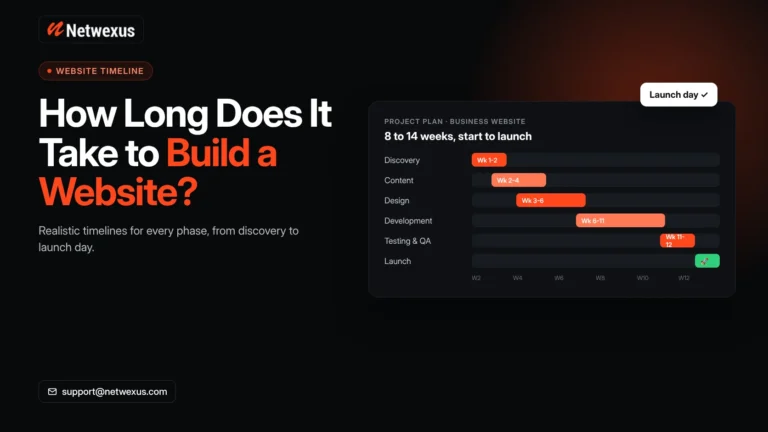
Ask to see live websites they’ve built for clinics, med spas, or healthcare practices. Industry experience means they already understand patient psychology, medical advertising sensitivities, consent considerations for imagery, and the specific features clinics need — you won’t be paying them to learn on your project.
Check Their SEO and Conversion Strategy
A design portfolio full of beautiful sites tells you nothing about results. Ask direct questions: How do you approach keyword research for treatment pages? What’s your local SEO process? How do you design for conversions, and how will we measure enquiries and bookings? Strong agencies answer specifically; weak ones retreat into vague promises.
Be wary of anyone guaranteeing first-page rankings or specific lead numbers — no reputable provider can promise what search engines will do.
Evaluate Their Design and Development Process
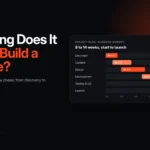
A professional process typically includes discovery (understanding your clinic, patients, and goals), design concepts with revision rounds, development and content population, testing across devices, and a structured launch. Ask about timelines, who owns the website and domain after launch (you should), and what happens if you part ways later.
Look for Ongoing Support and Maintenance
Find out what happens after launch. Is support included? What are response times for issues? Can they handle ongoing SEO, content, and updates as your clinic adds treatments? The best agency relationships are long-term partnerships, not one-off transactions.
Grow Your Aesthetic Clinic With a High-Converting Website
Everything covered in this guide points to one conclusion: your website is your clinic’s hardest-working team member — or its weakest link.
Attract More Qualified Website Visitors
With SEO-friendly structure, optimized treatment pages, and strong local visibility, your website draws in people actively searching for the treatments you offer, in the area you serve. These aren’t cold prospects; they’re patients-in-waiting.
Generate More Consultation Requests
Conversion-focused design turns that traffic into action. Clear CTAs, frictionless online booking, trust signals on every page, and mobile-first experiences systematically convert interest into consultation requests — day and night, whether your reception is staffed or not.
Build a Stronger Digital Brand for Your Clinic
Beyond bookings, a professionally designed website compounds in value. It elevates every other marketing channel — your social media, your ads, your word-of-mouth referrals all lead people to a destination that reinforces your quality. Over time, it becomes the digital foundation of your clinic’s reputation.
If your current website isn’t earning its place — if it’s outdated, invisible in search, or failing to generate consistent enquiries — the most productive next step is a professional review. Investing in expert website design services for aesthetic clinics is ultimately an investment in every patient relationship that starts with a search. Speak to a specialist web design team about where your site stands today and what a high-converting rebuild could achieve for your clinic.
Frequently Asked Questions About Aesthetic Clinic Website Design
How much does an aesthetic clinic website cost?
Costs vary widely depending on the number of pages, level of custom design, booking functionality, and whether copywriting and SEO are included. A simple template-based site sits at the lower end, while a fully custom, SEO-optimized website with online booking represents a larger investment. Rather than choosing on price alone, evaluate the potential return: a website that generates even a few extra consultations monthly typically pays for itself. Request detailed proposals from providers so you can compare exactly what’s included.
What features does an aesthetic clinic website need?
The essentials are individual treatment pages, online consultation booking, a before-and-after gallery (with patient consent), genuine reviews and testimonials, practitioner bios with qualifications, clear contact information with a map, and prominent calls to action. Supporting features like a blog, live chat, and pricing information strengthen results further. Prioritize features that reduce friction between a visitor’s interest and their consultation request — booking functionality usually delivers the biggest impact.
Does my clinic website really need to be mobile-friendly?
Yes — it’s arguably the single most important technical requirement. Most patients research aesthetic treatments on their smartphones, and Google primarily uses the mobile version of your site to determine rankings. A site that’s difficult to use on a phone loses both visitors and search visibility. Test your website on a phone regularly: text should be readable without zooming, buttons easy to tap, and booking possible in just a few steps.
How does SEO work for aesthetic clinics?
SEO for aesthetic clinics focuses on appearing when local patients search for your treatments. It combines optimized treatment pages targeting the terms patients use, local SEO (Google Business Profile, consistent business details, and reviews) to appear in map results, helpful educational content that captures early-stage researchers, and technical health like fast loading and mobile responsiveness. SEO is a gradual, compounding process rather than an overnight fix, but it delivers some of the most cost-effective patient enquiries available.
Should my clinic offer online appointment booking?
Almost certainly. Many patients research treatments outside business hours and want to act immediately when they decide. Online booking captures those enquiries at any hour, reduces phone workload for your front desk, and — with automated reminders — cuts no-show rates. The key is keeping the process simple: patients should be able to request or book a consultation in just a few taps on their phone.
How often should my clinic website be updated or maintained?
Ongoing maintenance should happen continuously: software updates, security patches, and backups on a monthly basis, with content reviewed regularly to keep treatments, pricing, team members, and photos current. A fuller design refresh is typically worth considering every three to five years, or sooner if your site feels dated next to competitors. Many clinics use an agency care plan so maintenance happens reliably without occupying staff time.
How do I know if my clinic website needs a redesign?
Warning signs include a design that looks dated compared to competitors, poor mobile experience, slow loading times, declining or minimal enquiries, invisibility in local search results, and an inability to easily update content. If patients frequently say “I couldn’t find that on your website,” or if your team feels embarrassed sharing the link, it’s time. A professional audit can identify whether you need targeted improvements or a full rebuild.
Can a new website really increase patient enquiries?
A well-executed redesign frequently does, because it addresses the specific points where potential patients are currently being lost: visibility (through better SEO), trust (through professional design, credentials, and reviews), and conversion (through clear CTAs and easy booking). No reputable agency can guarantee specific numbers, but when a clinic moves from an outdated, hard-to-find site to a fast, mobile-friendly, conversion-focused one, an increase in consultation requests is the expected and commonly observed outcome.