In today’s digital world, having an optimized website is not optional—it’s essential. If you’re running a WordPress website, whether for a personal blog, business, or e-commerce store, search engine optimization (SEO) is the key to ensuring your site stands out. With Google’s continuous updates, SEO strategies are evolving, and staying up to date with these changes is vital for keeping your rankings high.
This article will delve into the latest SEO techniques, focusing on how to improve your WordPress website design, WordPress development, and digital marketing strategies. We will provide actionable insights that will help you enhance your website’s visibility, drive organic traffic, and improve your online presence in alignment with Google’s guidelines for 2025.
Understanding WordPress SEO in 2025
SEO has always been a fundamental element of online success, but as Google’s algorithms get smarter, the approach to optimization is shifting. The 2025 Google Update places a stronger emphasis on user experience (UX), website design, mobile-first indexing, and comprehensive content. Content that answers user queries effectively will rank higher, and Google is increasingly focused on how well your content serves your audience.
1. WordPress Website Design and SEO Integration
When it comes to SEO for WordPress, a solid website design is the foundation. Your design is not just about aesthetics; it’s also about functionality, user experience, and how easy it is for search engines to crawl and index your pages.
Mobile-First Design
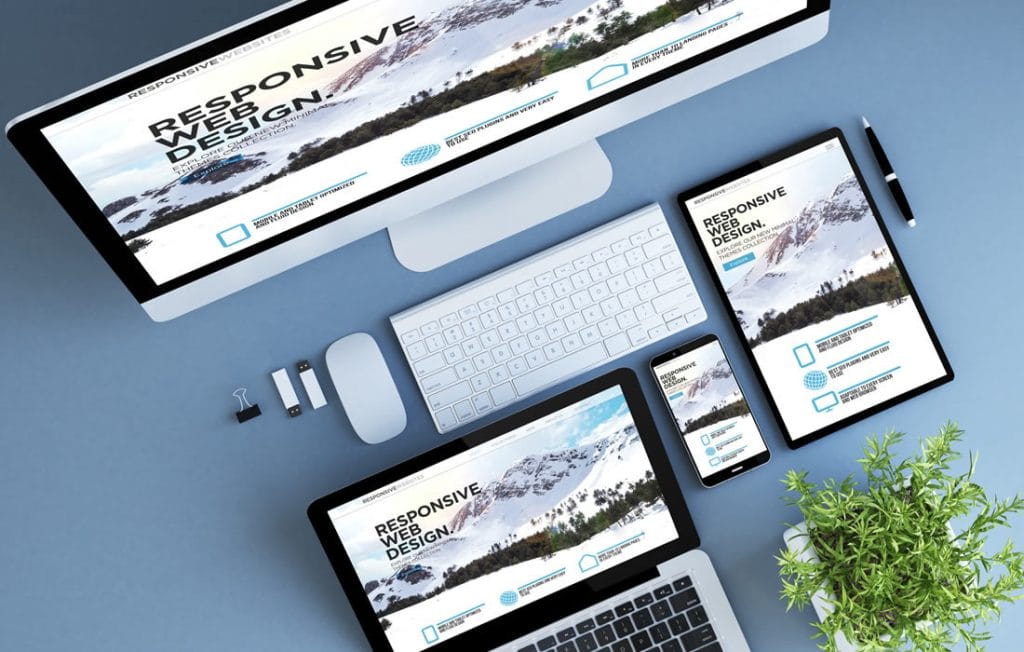
Google’s mobile-first indexing means that it looks at the mobile version of your site first when ranking it. If your site is not optimized for mobile devices, your rankings will suffer. WordPress offers numerous themes that are responsive, but you must also focus on mobile usability. This includes ensuring quick load times, readable text without zooming, and easy navigation.
User Experience (UX) and Accessibility
User experience is a critical factor for Google in its ranking algorithms. The more user-friendly your WordPress website design is, the more likely users are to stay on your page, reducing bounce rates. Factors like easy-to-read fonts, fast loading speeds, and intuitive navigation will ensure your visitors have a positive experience. Google rewards websites that prioritize accessibility, making them more likely to rank higher.
2. WordPress Development for SEO: Technical Foundations
While your site’s design is essential, the technical aspects of WordPress development also play a pivotal role in SEO. Whether you’re working with a WordPress theme or developing a custom site, making sure your development process adheres to SEO best practices is key.
Site Speed Optimization
Site speed is one of the most important ranking factors for Google in 2025. A slow website will not only negatively impact your rankings but also hurt your user experience. WordPress has numerous plugins that can help optimize your site’s speed. Tools like WP Rocket, Smush, and Autoptimize can significantly reduce page load time, ensuring your site is fast and efficient.
Optimizing Site Structure with SEO Plugins
A well-organized site structure helps both search engines and users navigate your website more efficiently. Popular SEO plugins like Yoast SEO and Rank Math can help you optimize your site’s meta descriptions, titles, URLs, and internal linking. These plugins guide you in following SEO best practices, ensuring that your WordPress website development is search engine-friendly.
Schema Markup for Rich Snippets
Schema markup is a type of microdata that makes it easier for search engines to understand your content and display it in a richer, more engaging format on the search results pages. Implementing schema markup for reviews, recipes, events, or products can help you stand out in search results with rich snippets. WordPress plugins like Schema Pro or WP SEO Structured Data Schema can make this process easier.
3. On-Page SEO for WordPress Websites
On-page SEO refers to the elements of your website that you directly control. Proper on-page SEO ensures that search engines understand the content and purpose of each page on your site. Let’s break down the key elements to focus on.
Keyword Optimization: Choosing the Right Keywords
Keyword research is the backbone of on-page SEO. To rank high in search engines, you need to target keywords that are relevant to your business. Tools like Google Keyword Planner, SEMrush, or Ahrefs can help identify high-volume, low-competition keywords. Focus on both short-tail and long-tail keywords, ensuring they align with the intent of your target audience.
- Primary Keywords: Focus on keywords like “WordPress website design,” “WordPress development,” and “SEO services” that align with your business.
- Long-Tail Keywords: For quicker ranking and more specific traffic, target long-tail keywords such as “affordable WordPress development services” or “SEO services for small businesses.”
Content Optimization: Quality over Quantity
When it comes to content, Google’s 2025 updates emphasize E-A-T (Expertise, Authoritativeness, and Trustworthiness). Your content needs to be high-quality, informative, and relevant to your audience. Thin content will no longer perform well in rankings, and keyword stuffing will only lead to penalties.
- Comprehensive Content: Write long-form, in-depth content that answers the searcher’s query completely. Google prioritizes content that is well-researched, well-written, and informative.
- Content Structure: Use headings (H2, H3, H4) to organize your content and make it easy for both users and search engines to follow.
- Multimedia: Integrating images, videos, and infographics will not only improve user engagement but also boost your SEO rankings.
Title and Meta Tags
Crafting compelling and optimized title tags and meta descriptions will help search engines understand your content and improve your click-through rate. Ensure that your title includes your target keywords and that your meta description provides a concise summary of your page.
4. Off-Page SEO: Building Authority and Trust
Off-page SEO refers to the strategies used outside your website to improve its rankings. These factors build your site’s authority and trust, which are essential in Google’s ranking algorithm.
Link Building
Backlinks remain one of the most important ranking factors. To rank well in Google’s search results, you need high-quality, relevant backlinks. Focus on acquiring backlinks from authoritative sites in your industry, as these will carry more weight.
Social Media Engagement
Social media engagement can indirectly affect your rankings by driving traffic to your site and generating backlinks. Promoting your content on platforms like Facebook, Twitter, LinkedIn, and Instagram can lead to more shares and higher exposure, thus boosting your SEO efforts.
5. Local SEO: Boosting Your WordPress Website’s Visibility
If you’re a local business, optimizing your WordPress website for local SEO can significantly improve your rankings for location-specific searches. This is especially crucial for businesses that rely on local customers.
Google My Business
Claiming and optimizing your Google My Business (GMB) listing is crucial for local SEO. Ensure your business information is accurate and consistent across all platforms, and regularly update your GMB profile with relevant posts, photos, and offers.
Local Citations
Building citations (mentions of your business name, address, and phone number across various directories) can help improve your local SEO. Sites like Yelp, Yellow Pages, and local business directories are valuable for building authority and improving visibility in local search results.
6. SEO Services and Digital Marketing: Building a Comprehensive Strategy
SEO is just one part of a comprehensive digital marketing strategy. Combining SEO with other strategies like content marketing, email marketing, and paid advertising can provide a more robust approach to increasing your website’s traffic and boosting conversions.
Content Marketing and Blogging
Content marketing is a powerful way to boost your SEO. Regularly publishing high-quality blog posts on topics related to WordPress website design, WordPress development, and SEO services can help drive organic traffic. You can target informational keywords that users are searching for, providing valuable content that positions you as an authority in your industry.
Email Marketing
Email marketing helps you nurture relationships with your audience. By collecting email addresses through lead magnets, you can send personalized offers, updates, and valuable content to keep your audience engaged and encourage repeat visits to your website.
Paid Advertising
While SEO is a long-term strategy, paid advertising, such as Google Ads, can drive immediate traffic to your site. Combining paid ads with organic SEO efforts ensures that you get the best of both worlds—quick traffic and long-term visibility.
Conclusion
SEO is an ongoing process that requires consistent effort and adaptation to Google’s changing algorithms. By integrating the strategies mentioned above into your WordPress website design and development, you can boost your site’s rankings and drive more organic traffic.
At Netwexus, we understand the importance of a solid SEO strategy for growing your online presence. Our team of experts specializes in WordPress development, SEO services, and digital marketing, providing solutions that ensure your website ranks high and attracts the right audience.